
William Rufus, Carlisle and the Origin of Botcherby
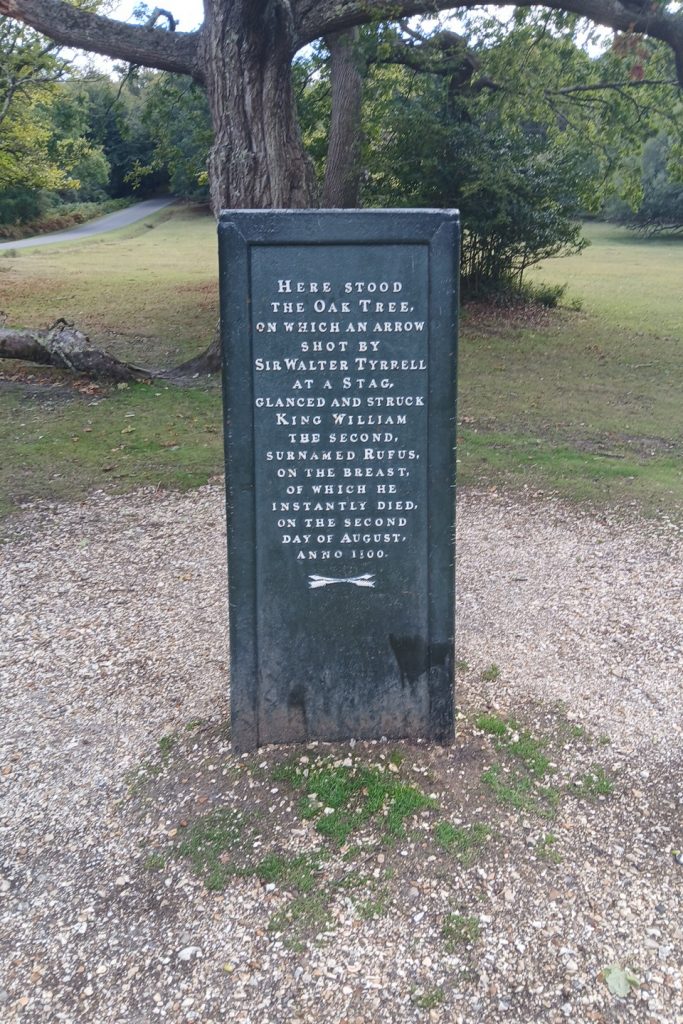
I took picture of this last summer 2025 its the Rufus Stone it marks the exact spot where Norman King William Rufus, son of William the Conqueror, was shot in the chest while hunting in the New Forest by Sir Walter Tyrell. The shot killed him & then Sir Walter immediately fled to France and was, as far as I know, never heard from again.
Rufus was given his name because he had ginger hair. Despite his sudden death in the south, his legacy continued to shape the North of England, particularly Carlisle and the surrounding area for ever more.
The conspiracy theory?
One well-known conspiracy theory suggests a secret plan was hatched to murder Rufus and crown his brother, Henry I (Henry Beauclerc), who was nearby in the New Forest at the time. Moments after Rufus died, Henry rushed to Winchester – he was crowned three days later, on August 5th, 1100, despite the fact that his older brother, Robert Curthose, Duke of Normandy, had the stronger claim to the throne.
William Rufus conquers Carlisle in 1032
Eight years earlier, Rufus had travelled to Carlisle, Cumbria, which was then a fiercely disputed borderland between England and Scotland. He intended to establish a frontier to keep the Scots at bay.
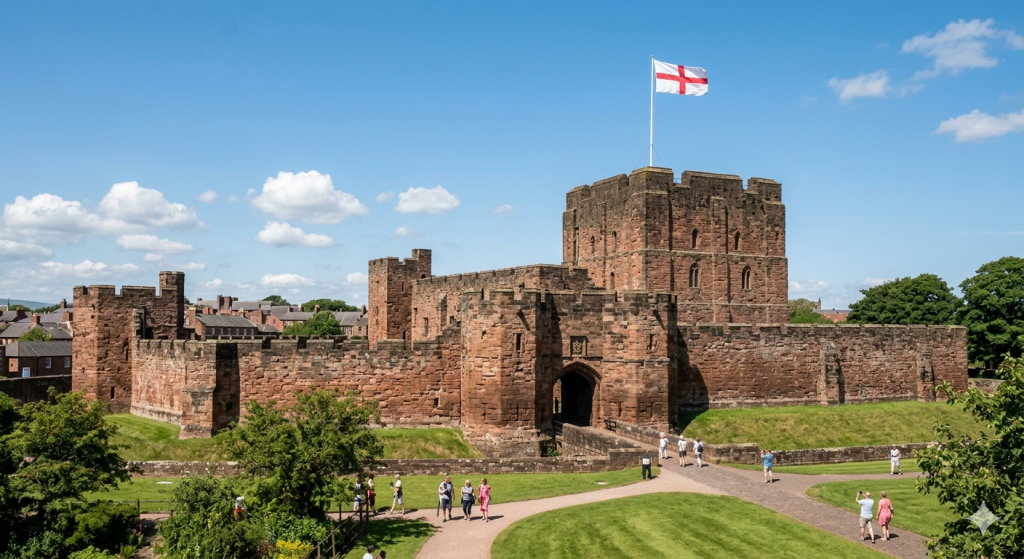
Upon arrival, he defeated the local Carlisians and drove out all “undesirables,” including the ruler Dolfin, son of Gospatric, who was linked to Northumbrian power. He then built Carlisle Castle and a garrison, initially using a timber-based motte-and-bailey design.
The stone castle that stands today built in 1102-1112 by Henry 1st (William Rufu’s brother & usurper). The Castles stone walls, would not be started to be built until around thirty years later. The complete construction of walls occured 1300s encompassing the whole city.
The founding of Botcherby & Botchergate
Rufus brought with him a retinue of loyal, battle-hardened men. Once the area was conquered, he granted land to these “stay-behind” men, charging them with maintaining the border and protecting the territory on his behalf.
Specifically, Rufus granted land east of Carlisle, which would become Botcherby, to his Belgian Norman knight, Bochard. The area became known as “Bochard’s by.” Since “by” is the Norse word for a farm or settlement, the name evolved into Botcherby.
The name also survives in Botchergate, or “Bochard’s Gate,” which was a main entrance in the wall built around Carlisle. Parts of that thousand-year-old city wall still exist today.
This, then, is the story of how the Botcherby area of Carlisle got its name. It’s a story of Norman conquest, land grants, and control of the English-Scottish border.
My personal connection to William Rufus, the Normans & Vikings.
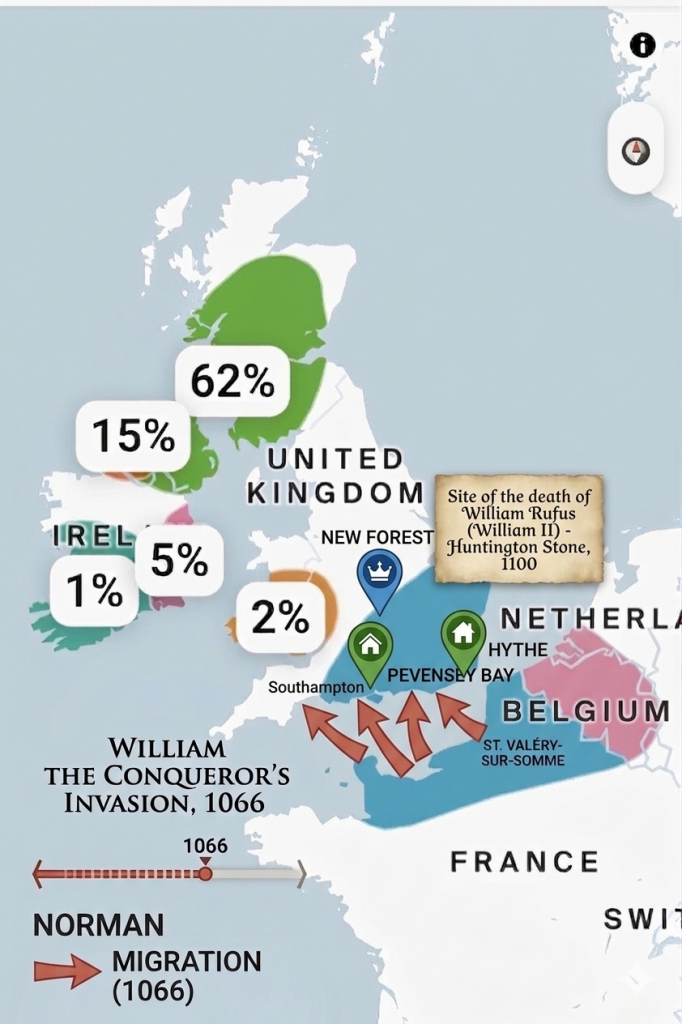
My Ancestors invaded England with the Normans. You can clearly see my ancestors’ migration pattern across the Channel and their spread across the South of England, encompassing the regions where I live today. My family name, Hamilton, traces all the way back to the Fitzgibbons of Normandy. below is my DNA showing my heritage which I got from ancestry.com
William Rufus died near me!
The place where Rufus died — marked by the Rufus Stone in the New Forest, Hampshire — is only about 11 miles from where I live now.
So the place where Rufus fell isn’t unreachable — it’s barely 11 miles from where I’m sitting writing this.
Botcherby, Carlisle origins: Viking roots and history of the suburb
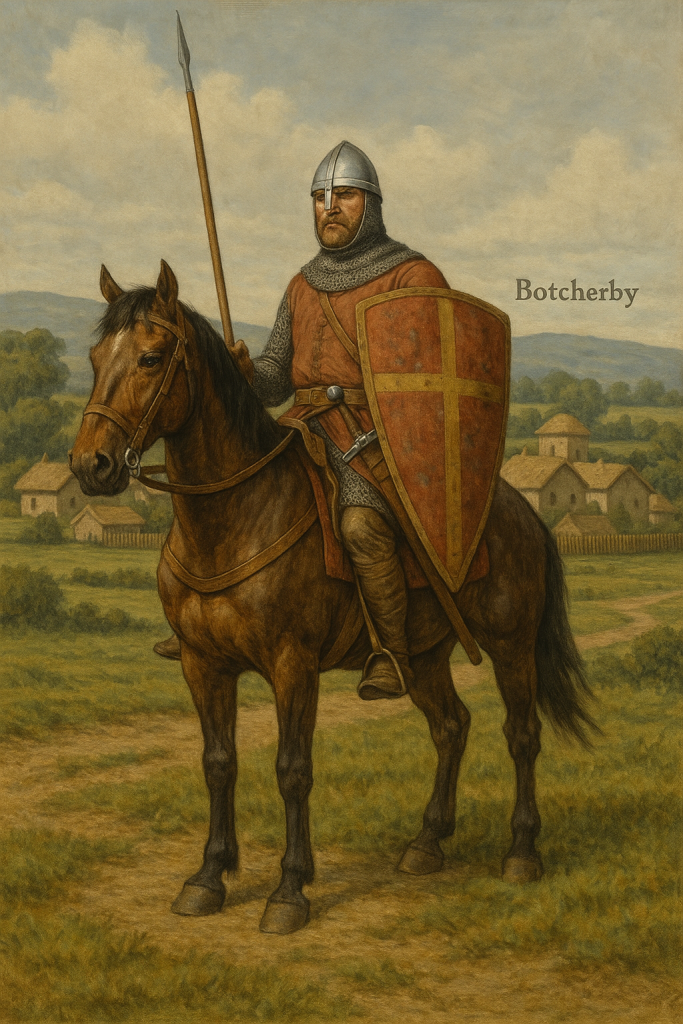
Botcherby, now a suburb of Carlisle, likely began as a small rural settlement during the Viking-influenced period of northern England (around the 9th–11th centuries). The name itself reflects this heritage, with the suffix “-by” meaning farmstead or village, a common feature in areas shaped by Norse settlers. The first part of the name—“Botcher” or a similar variation—is thought to refer to either a personal name or possibly an occupation, giving the overall meaning of “Botcher’s farm” or settlement. For centuries, it remained a quiet agricultural hamlet on the outskirts of Carlisle, made up of scattered farms and cottages loosely connected to the city’s economy but distinctly rural in character.
Its transformation came in the 19th century during the industrial expansion of Carlisle, when railways and manufacturing drove rapid urban growth. Botcherby shifted from farmland into a working-class residential area, with rows of terraced housing built to accommodate the growing population. Throughout the 20th century, it became fully absorbed into the city, developing into the residential suburb seen today. While modern Botcherby is integrated into Carlisle’s urban layout, traces of its past remain in its name and structure—echoes of a once small, Viking-rooted settlement that grew alongside the city.
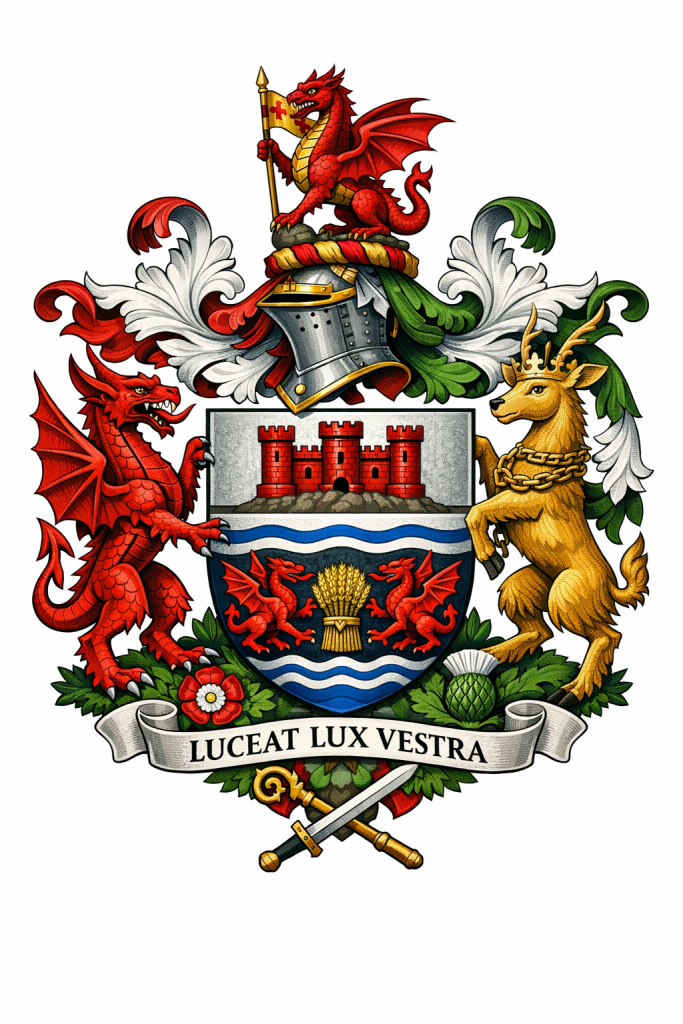
Be just, & fear not.
No responses yet