
Visiting Silbury hill
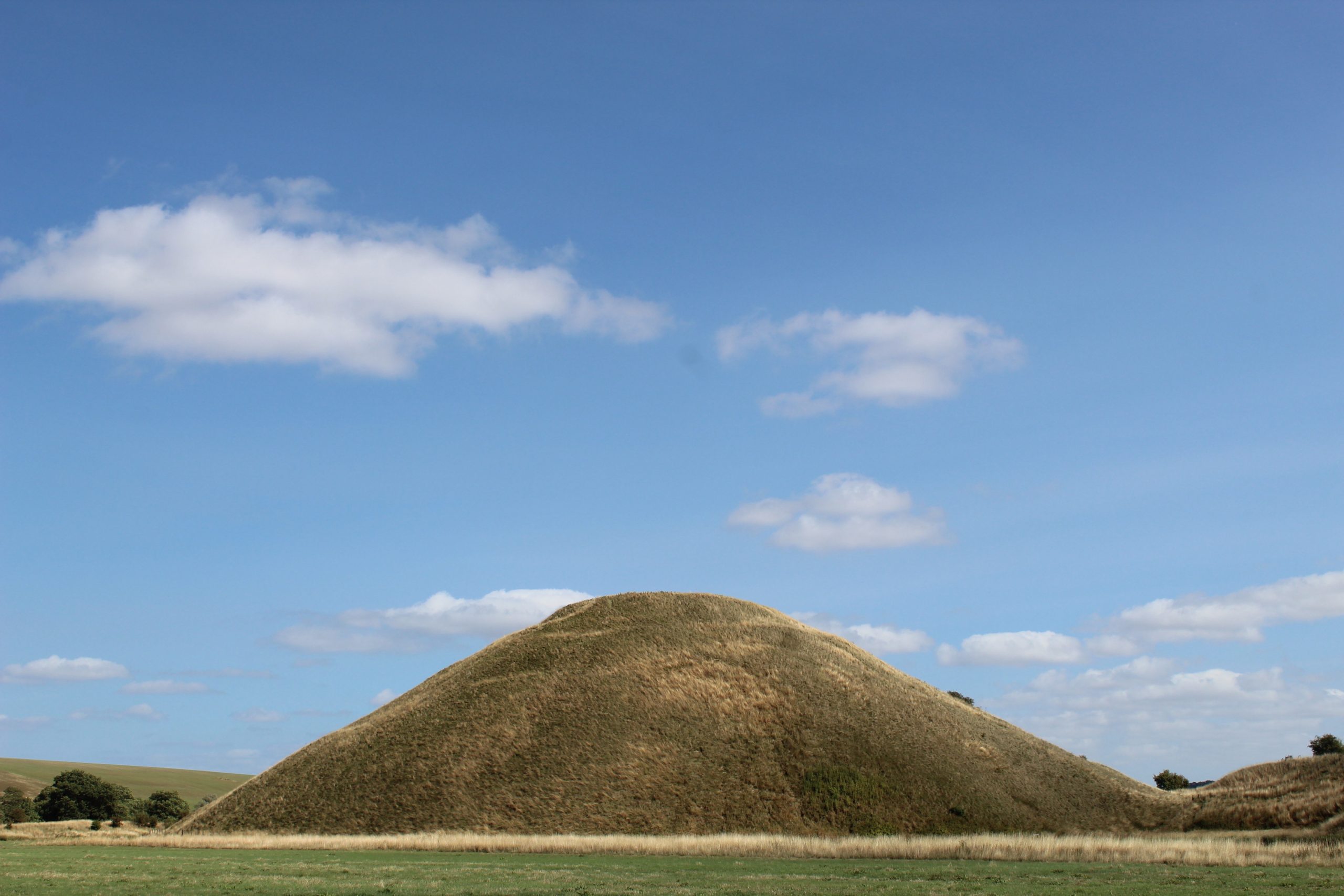
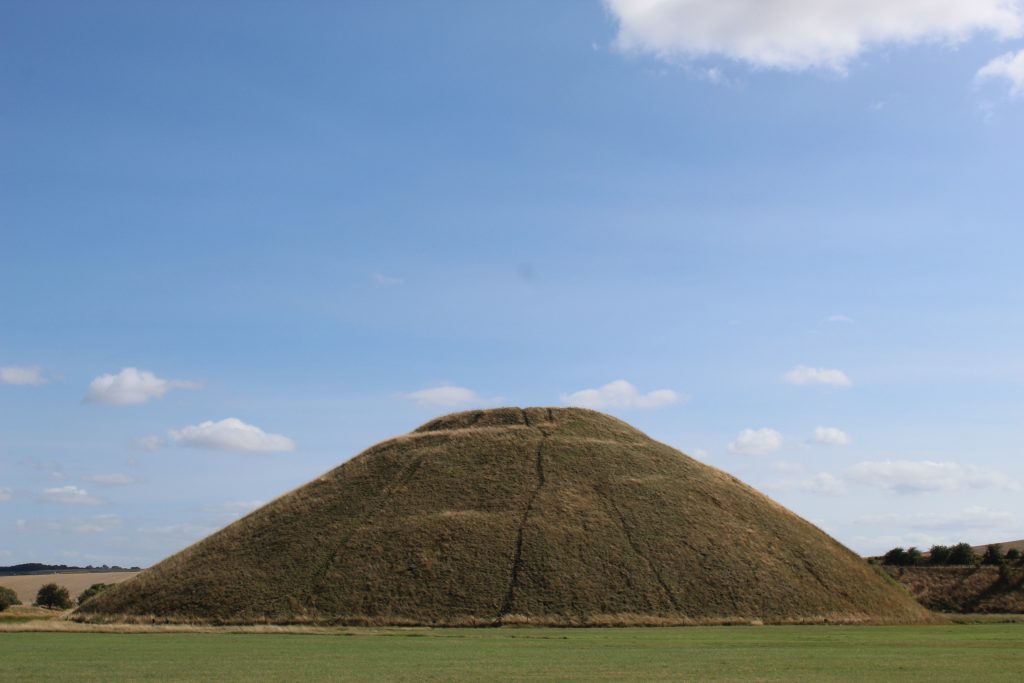
I went to visit Silbury Hill in Wiltshire one fine summer day in 2025. As you drive down the dual carriageway the A4 between Marlborough and Avebury you can see it jutting out and upwards on the right hand side like a rudimentary manmade pyramid, it’s huge and can be seen from a few miles away. There’s a shaded layby on the right just past it where you can pull in for free parking, obviously there are vanlife people parked there taking advantage of the free and unrestricted parking. Fair do’s to those campers, it’s a really nice and peaceful place to park. From the car park there is a little path towards the hill through a cut way through a small wooded area half way down there is an information sign that gives you information on the hill apparently it dates back between 4.5 to 5 thousand years old and it’s believed that it took generations of ancient Britons 300 years to build and no one knows why? It was constructed using chalk quarried nearby.
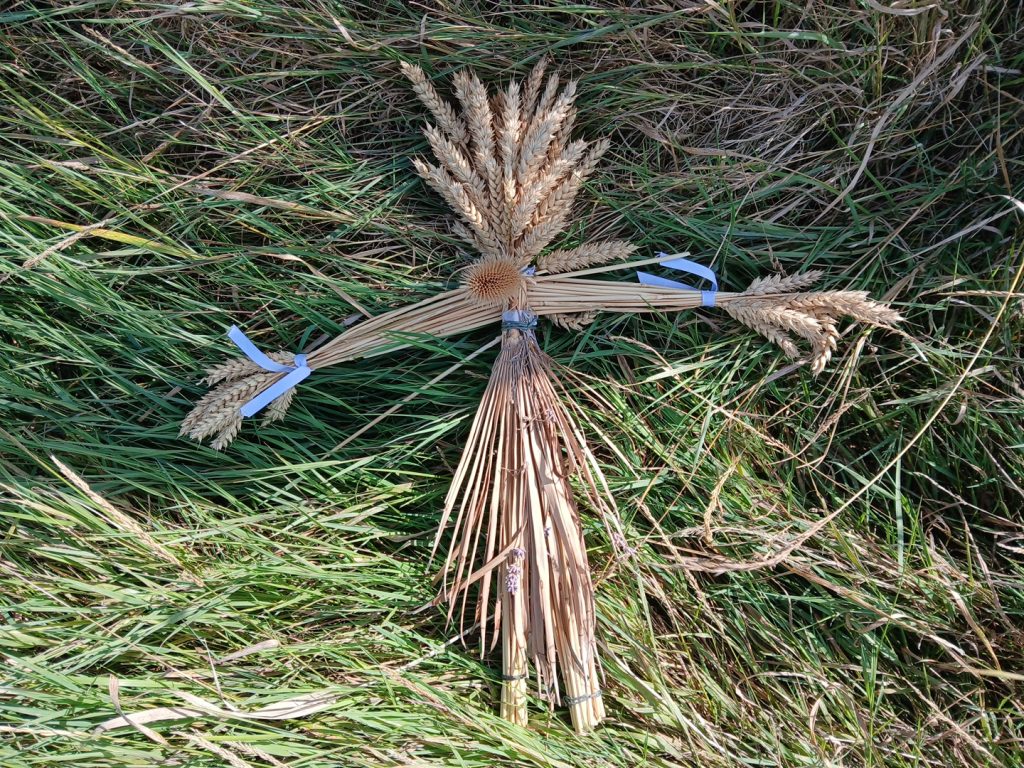
As you gaze upon it you can feel the connection to land and your ancestors. It has a serene and peaceful feeling about it. It’s quite beautiful, and as I stood there I could imagine those ancestors toiling away bringing baskets of chalk possibly in a line passing it all the way up to people packing and shaping it on top. I walked up to it with my dog Bunny with intention of climbing up it — it has a small fence ringing at the base. Upon closer inspection there was a path to the top but it was so ropey and if you missed your footing going up or down you would seriously hurt yourself falling down, I just had to contend with placing my hand on the base to feel that ancient connection to the past. As I traversed the base I came across a strange homemade effigy which I now know is a corn dolly made out of wheat which is used as as a good luck omen to bring fertility and prosperity to the land. There is definitely something mystical about that hill and makes me wonder if there is a connection to all the crop circles in that area.
History of Silbury Hill.
Silbury Hill is the largest prehistoric artificial mound in Europe. Located near Avebury in Wiltshire, England, it stands about 40 metres (131 feet) high and was built around 2400–2300 BC during the Late Neolithic period. This means it has stood in the landscape for approximately 4,500 years, making it older than many famous historical monuments.
Archaeological investigations suggest that Silbury Hill was constructed in several stages using millions of tonnes of chalk, earth, and turf gathered from the surrounding area. It is estimated that the project required hundreds of workers and may have taken many years, possibly decades, to complete. Despite extensive excavations, no burial chamber, treasure, or clear evidence of its purpose has ever been discovered.
The people who built Silbury Hill were Neolithic farmers. They lived in settled communities, cultivated crops, raised livestock, and possessed a sophisticated understanding of engineering and organisation. They left no written records, so their beliefs must be inferred from archaeological evidence. Nearby monuments such as Avebury’s stone circles, avenues, and ceremonial sites suggest that the area formed part of a vast sacred landscape used for rituals, gatherings, and seasonal ceremonies.
The true purpose of Silbury Hill remains one of Britain’s greatest archaeological mysteries. Some researchers believe it may have served as a ceremonial platform, a symbol of community identity, a marker of territorial power, or a monument connected to fertility, ancestors, or the cycles of nature. Others suggest it formed part of a wider ritual complex linked to the surrounding monuments.
Whatever its original function, Silbury Hill demonstrates the remarkable skill, cooperation, and vision of the Neolithic people who built it. More than four millennia later, it continues to dominate the Wiltshire landscape and inspire curiosity about the beliefs and achievements of Britain’s ancient ancestors.
No responses yet